Planetary Health Summer School
A Perspective from an 'IMMUFELLOW'
For every one of us, the Planetary Health Summer has been an incredibly memorable and meaningful experience. It offers an opportunity to understand the profound connections among human health, environmental sustainability, ecosystems, food systems, climate, and society—far more than just academic knowledge. Such an integrative viewpoint is especially helpful for researchers, who frequently study in specialised scientific subjects. The program pushed us to think beyond the confines of our own fields of study and to think about how scientific understanding may help solve difficult global issues.
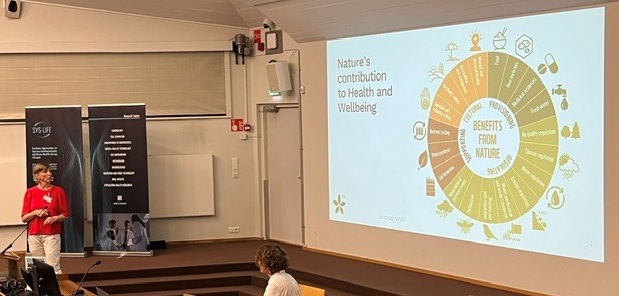
The idea of interconnectivity was among the most significant lessons learned during the summer program. One field cannot adequately handle issues like climate change, biodiversity loss, environmental degradation, food shortages, and new health risks. Researchers from a variety of disciplines, including medical, biology, environmental sciences, agriculture, economics, social sciences, and politics, must work together to address these issues. These viewpoints were brought together in a great way by the Planetary Health Summer, which also inspired us to create a more comprehensive, systems-level understanding of research.
An especially valuable component was the training in business development and innovation. For future researchers, scientific expertise alone may not always be sufficient to translate research findings into meaningful societal impact. Understanding business development enables academics to identify prospects for innovation, possible stakeholders and users, explain the value of their research, and investigate methods for transforming scientific discoveries into practical solutions. These skills are especially critical for researchers who plan to pursue entrepreneurship, industry engagement, technology transfer, or impact-oriented research in the future.
Another significant benefit of the program was the ability to learn from professionals and engage with other participants. Lectures, discussions, group activities, and collaborative exercises provided opportunities to exchange ideas with people from various academic and professional backgrounds. Such encounters are particularly beneficial to young researchers because they foster communication, teamwork, critical thinking, networking, and multidisciplinary collaboration abilities. Planetary Health reminds us that scientific research is embedded in a broader social, economic, and environmental context. It inspired us to consider how our research may serve society, how innovations can be applied in a sustainable manner, and how scientific solutions can address real-world problems.
The summer programme was also valuable from a personal perspective. The engaging sessions and collaborative atmosphere made learning enjoyable, while the opportunity to exchange ideas openly created a strong sense of community among participants. We all thoroughly enjoyed the experience (especially the trip to the Seili) not only because of the knowledge we gained but also because of the friendships, discussions, and shared experiences that developed throughout the programme.
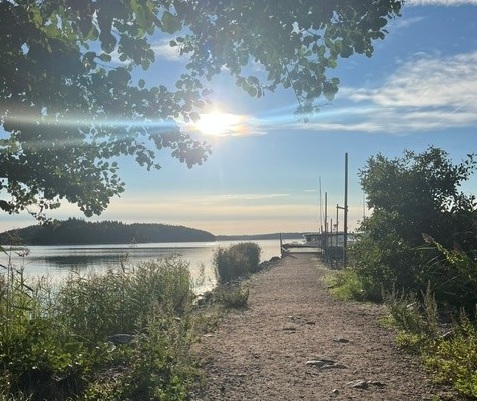
We would also like to sincerely appreciate and congratulate all the organisers, coordinators, speakers, mentors, and supporting teams for their tremendous efforts. Organising such a diverse and interdisciplinary programme requires considerable planning, commitment, and coordination. Their dedication created an engaging and welcoming learning environment and made the Planetary Health Summer a truly meaningful experience for all participants.
Overall, the Planetary Health Summer has been an inspiring, enjoyable, and intellectually rewarding experience. We leave the programme with new knowledge, new perspectives, valuable connections, and a better understanding of how research can contribute to a healthier and more sustainable planet. Most importantly, it has reminded us that the researchers of the future must not only ask “What can we discover?” but also “How can we translate what we discover into meaningful solutions for society and the planet? And how can we set up a sustainable business that makes an impact in society”
IMMUFELLOW Researcher Supradip Dutta
Another perspective
IMMUFELLOW Researcher Jing Lu describes her experience:
“Joining the summer school was a really fun and valuable experience. It helped me better understand the process of turning an idea into a business and gave me useful tips on how to pitch ideas. I believe these skills will be helpful throughout my career.
As a newcomer to the EU co-funded program, it was also great to connect with other fellows, hear about their experiences in the program, and learn from their advice and suggestions.”